
Effective Care Strategies for Your Baking Cutting Board Brush
Jun 03, 2026
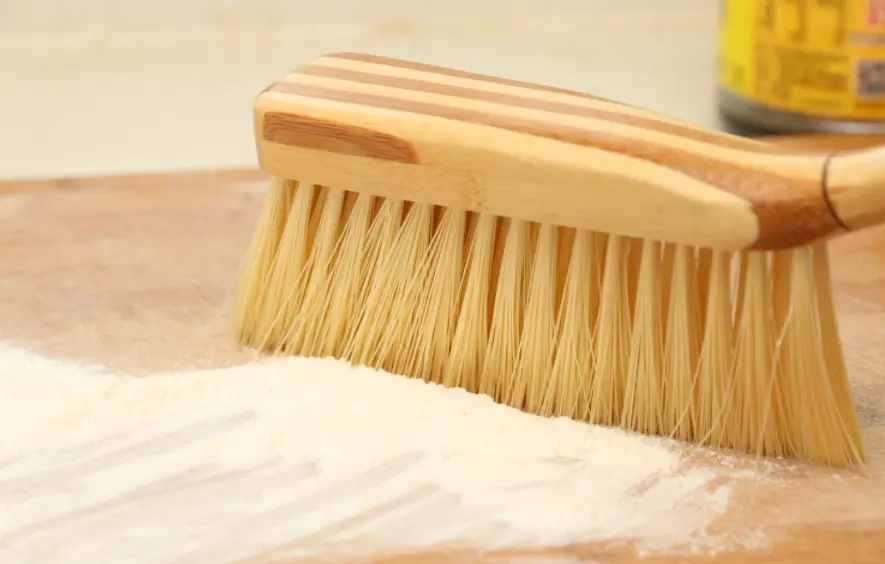
A Baking Cutting Board Brush will last longer if you take good care of it. It will also meet food safety standards and help you save money on good cleaning tools. If you run a bakery or are looking for eco-friendly cooking supplies, you should know how to clean these brushes so that germs don't grow, the bristles stay in good shape, and your business stays green. Following the right repair plan cuts down on the number of times things need to be changed, keeps costs low, and keeps areas where food is made clean to the proper standards. This guide talks about tried-and-true ways to clean tools that help business owners and buying managers get the most use out of them while still following strict safety rules.
Understanding Baking Cutting Board Brushes: Materials, Types, and Uses
Material Composition and Design Features
The Baking Cutting Board Brushes we use today are made from materials that are good for the environment and are made to work well in professional kitchens. Putting bamboo and PET (polyethylene terephthalate) together to make cleaning tools is a big step toward making eco-friendly ones. Handles made of bamboo naturally kill germs, don't get damaged by water, and are easy to hold for long amounts of time. Even in humid kitchens, the cloth doesn't bend or break because of how bulky it is. PET bristles work better than natural or regular nylon bristles because they don't attract static electricity. This means that flour and dust don't stick to the brush while it's cleaning.
This grip is 34 × 3.5 × 7.5 cm and weighs 124 g. It is practical and makes it easy to hold on to the brush. This size is good for a variety of hand sizes and still lets you clean accurately around holes and the edges of the board. Biofilm can grow on cutting boards, but most cleaning methods miss it because their thick brushes don't get into the small scratches where food gathers.
Functional Advantages in Commercial Settings
When Baking Cutting Board Brushes are used to bake, they run into different issues than when they are used to clean the kitchen. Fluffy things like flour, sugar, and cornstarch stick to boards because of electrostatic pull. The anti-static PET brushes are great at getting rid of these things. This feature cuts down on the time needed to clean and stops batches from getting mixed up, which is very important in places of work where allergens are a worry.
It's not just for keeping Baking Cutting Board Brushes in good shape; it can be used for other things, too. It can also be used to make cooling racks, dough prep tables, and special bake tools. Which means you don't need as many different cleaning tools. This makes it easy to keep track of goods and train staff. When bamboo is cleaned over and over, its structure doesn't break down. It stays strong after thousands of cleanings. Business managers can better plan their budgets and know when to replace things because they last longer.
Best Practices for Cleaning and Sanitizing Baking Cutting Board Brushes
Daily Cleaning Protocols
Daily tool and place cleaning keeps them in excellent condition. Rinse the brush under warm running water after each usage to prevent dirt from drying out and hardening. Position the brush bristles down. This helps water flow through thick PET fibers. It will remove all rubbish from the base, where it piles up.
Avoid using cleaning agents on food and use only kitchen utensil cleaners. Roll the cleaner gently through the brushes. Bamboo should not be treated with harsh chemicals that might break down the fibers or leave residues on food-preparation surfaces. Natural solutions like white vinegar, combined with three parts water to one part vinegar, may remove oil and organic particles without damaging the material. With bamboo's germ-killing properties, these mild cleansers provide two cleaning options.
Shake off excess water from the brush and place it where air may circulate after cleaning. This arrangement prevents water from accumulating at the handle joint, helping germs develop in the bamboo grain. Bamboo breaks and grows when soaked for lengthy periods. Bamboo doesn't grow or break if drainage is excellent; thus, brushes stay longer.
Sanitization Methods and Frequency Standards
Crowdedness and laws determine how clean your building must be. Heating pathogens is the best method, but bamboo sections must be protected from the heat. Leave PET brushes in 77°C (171°F) water for 30 seconds. This cleans nicely without harming the cloth. Avoid heating and cracking the bamboo handles by keeping them above the surface.
When heat isn't an option, quaternary ammonium compounds or chlorine may destroy microorganisms. These approaches only work if you follow the product documentation's concentration and contact time guidelines. Rinse your brushes properly after cleaning them with chemicals to remove any chemicals that might harm food safety or wear out hair clips.
Bakeries should clean Baking Cutting Board Brushes daily, per industry requirements. You should rewash boards that touched raw eggs, cheese, or other high-risk items. Sanitization should be a critical control point for HACCP facilities. They may then preserve documents to prove compliance during health inspections.
How to Maintain and Replace Your Baking Cutting Board Brush: Longevity Tips
Visual Inspection Criteria
Checking objects regularly may reveal wear patterns before they worsen and compromise cleanliness or food safety. Once a week, check the brushes for spreading, breaking, or deforming, which makes them less effective at pushing on board surfaces. PET brushes should have the same fiber count, color, and orientation. Changes in hue may indicate chemical breakdown or dirt absorption.
Check the bamboo handle for fractures at the ferrule, where the brushes attach to the grip body. Small crevices on the surface may sprout germs that are hard to remove, even if you clean them regularly. Run your fingertips along the handle to find rough places or splinters. These might harm someone or release wood chips when cleaning. Normal bamboo gloss is different from gray or black, which indicates water damage and has to be replaced immediately.
Gently tug on tiny sections near the brush's edge to check bristle connection. Loose bristles allow nasty things into the food-making region and render the brush useless. Good food industry brushes won't lose hair after months of usage. That indicates a need for fresh ones.
Storage Protocols That Extend Lifespan
How you store your Baking Cutting Board Brushes affects their lifespan and cleanliness. Keep goods away from stoves and dishwashers since the heat might soften PET brushes or harm bamboo handles. Wall-mounted holders and bristle-down brushes allow airflow and keep equipment tidy. This also prevents bristles from altering form after sitting on cleaning surfaces for a long period.
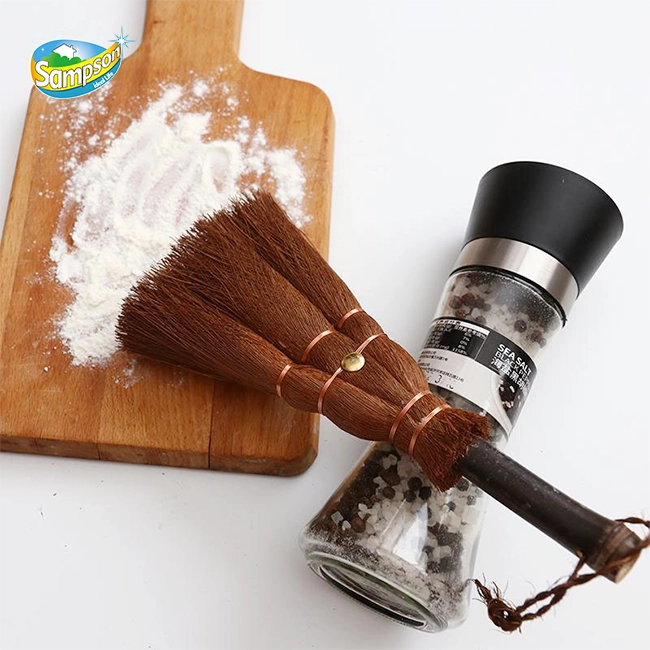
Closed closets or boxes shouldn't hold brushes until they're dry. Even antibacterial bamboo gets water trapped, allowing germs to proliferate. Good brushes are bundled with hemp cord, as illustrated in the product description (each brush comes with hemp rope and a brown hang tag). Brush storage is easy with this cord's hanging loop. It boosts the product's eco-friendliness, which eco-conscious shoppers cherish.
Keep used brushes away from clean instruments in work areas to prevent contamination. Staff can immediately identify tool states by color-coding or placing them. This reduces the likelihood of reusing a filthy brush before getting it clean. These organization methods are crucial in restaurants with common cleaning gear.
Replacement Indicators and Benchmarks
Clearly defining replacement criteria simplifies maintenance choices and ensures everyone cleans the same. Business bakeries should replace Baking Cutting Board Brushes every three to six months, depending on usage and cleaning. Big bakeries that manufacture several cakes every day may need to change their brushes monthly. However, smaller artisan bakers may be able to utilize them until this range ends.
When to replace each Baking Cutting Board Brush in your set. This will display brush wear trends to help you determine when to purchase more. You may use this information to plan your purchases and negotiate huge bargains with suppliers. Knowing how long it takes to replace things gives procurement managers greater authority to support trial orders before making major purchases, increasing MOQ flexibility.
Client feedback from similar firms might help you decide whether to alter. Talk to other repair firms at trade fairs or industry associations to compare your methods to standards. This combined approach helps you determine whether your brushes are bad or if you need to adjust how you use them to prolong their life.
Choosing the Right Baking Cutting Board Brush for Your Business Needs
Material Selection for Operational Requirements
Consider the world's impact and usage while selecting Baking Cutting Board Brush, bamboo-PET blends, or other materials. Bamboo handles protect the environment and don't become wet or germy. Environmentally conscious brands like them. Bamboo regrows in three to five years, but forests take decades. This enhances firms' ESG efforts and attracts consumers who choose green services.
Man-made PET brushes outlast natural fibers. They clean you. Water-retaining plant-based brushes break after numerous washings. PET remains firm and shapely. Because they are anti-static, they are particularly handy during baking, when normal cleaning procedures struggle to remove microscopic pieces. This blend of materials illustrates that current sustainable product design may improve functionality without sacrificing environmental impact.
Evaluating Supplier Quality and Certifications
To locate reliable merchants, verify whether their products are food- and environment-safe. Companies that follow ISO quality control and BSCI social compliance criteria should sell Baking Cutting Board Brushes. Companies care about doing things correctly and creating exceptional products. This proves that the product's manufacturing process includes food-contact quality checks. Pull-force testing may ensure the bristles don't come out and the material meets FDA 21 CFR 177.1500 and EU 10/2011 standards.
Verify that the bamboo comes from FSC-certified forests. This will ensure the raw materials originate from local enterprises that treat animals and humans well. This check is crucial if you sell to store partners or end users who value supply chain health. Clear permission documentation from suppliers illustrates their company growth, which builds trusted long-term connections.
How much you produce and how regular your wait times are affect how successfully you manage commodities and satisfy consumer demands. If your suppliers can create goods in 30 days and don't stock, you can adjust to demand variations while minimizing working capital. Businesses dealing with seasonal shifts or testing new product lines with unclear demand patterns may benefit most from this method.
Procuring Baking Cutting Board Brushes: Bulk Buying, Customization, and Deals
Strategic Bulk Purchasing Approaches
Bulk purchases save money and ensure you always have Baking Cutting Board Brushes. The most cost-effective shipping method is to utilize master cartons, which have 48 parts per carton and a size of 53.5 × 33.5 × 36 cm. Determine how many Baking Cutting Board Brush units you need annually based on use and replacement. Organize your orders to fit into containers conveniently.
Discuss pricing points that reward customers who indicate they will purchase a lot while allowing you to adjust to demand fluctuations. Suppliers who have dealt with companies know that failing to fulfill the MOQ makes it difficult to test new items or respond to seasonal fluctuations. Trial orders indicate that vendors are confident in their products. It also fosters connections before large promises.
You might blend orders and send comparable cleaning equipment in one package. This allows Source to provide additional items. This strategy simplifies operations and vendor tracking. Quantity savings may also increase. Vendors who produce multiple home cleaning items may become strategic partners to simplify procurement and decrease the labor of managing several vendors.
Customization Options for Brand Differentiation
Branding simple Baking Cutting Board Brushes with your name will keep customers returning again. Print logos, design packaging, and customize ODM and OEM services to meet your demands. A hemp rope and a brown hang tag indicate a nice brush. Start greening your brand here.
Talk to the vendor regarding minimum order numbers for personalised items as soon as feasible. These needs vary greatly depending on customisation complexity. Name writing usually has lower minimums than bespoke bamboo coloring or bristle mixing. If you know these constraints, you can arrange orders that satisfy company objectives without breaking the budget.
Custom packaging improves store appearance and informs consumers about care and durability. Customers commonly contact customer care to inquire how to clean, replace, and dispose of items. Well-designed packaging answers them. Online vendors that can't interact with consumers as in stores would benefit most from this sharing.
Logistics and Supply Chain Optimization
Suppliers that understand worldwide business-to-business may distinguish themselves from local market suppliers by their global shipping capabilities. Shipping DDP (Delivered Duty Paid) eliminates customs issues. You also obtain correct landing costs for pricing and earnings. Sellers that provide sea and air freight can help you balance cost and arrival time, depending on how much merchandise you have and how much you expect consumers to purchase.
Check how long the service firm has served your destinations. How well they know local laws, documentation, and transit systems makes the service dependable. Wholesalers who have dealt with freight forwarders and customs brokers for a long time may manage difficulties better than those whose primary business is in the US, and they only handle international items occasionally.
Discuss solutions to store and send just-in-time for your firm. Use the supplier's "no-inventory" manufacturing approach, but know the production, quality review, and shipping transportation wait periods to determine when to reorder so you don't run out of stock without spending too much on safety stock.
Conclusion
Taking good care of your Baking Cutting Board Brushes will keep food safe and help you get the most out of the money you spend on tools. A complete repair plan for practical greatness includes sanitizing and cleaning every day, storing things in a smart way, and replacing things when they wear out. It's worth the extra work to take care of brushes made from eco-friendly materials like bamboo and PET because they work better and are better for the earth. Long-term, your business will do well if you buy things that are a good mix of low cost, longevity, source dependability, and the ability to make goods fit your needs. This will also help you keep up with the growing need for eco-friendly items in places where food is prepared for business use.
FAQ
How often should commercial bakeries sanitize their cutting board brushes?
Businesses that bake should clean their Baking Cutting Board Brushes every day at the very least. They should clean the boards that came in contact with dangerous things like raw eggs or dairy products again after the first cleaning. Sites that follow HACCP rules must write down these cleaning jobs as part of keeping track of key control points. Pathogens can be killed by heat sterilization at 77°C for 30 seconds or by using approved chemical sanitizers at the right amounts, as told by the manufacturer. Just make sure to follow the right steps.
What advantages do eco-friendly bamboo brushes offer in commercial baking?
Water doesn't hurt bamboo, Baking Cutting Board Brushes, and they grow back quickly. All of these things help companies meet their sustainable goals. The fact that the material can be cleaned by professionals a lot of times and still meet FSC standards shows that it comes from a reliable source. Because they last longer and don't gather static electricity, PET bristles are better for the earth than bamboo ones. Because of this, they are perfect for getting rid of flour and other small bits that come up when baking. This mix of materials makes things work better without sacrificing durability or value.
When should businesses replace their cutting board brushes?
If the bristles spread out or bend over time, the bamboo handle cracks clearly, the bristle clips come loose, or the Baking Cutting Board Brush turns a different color after being used, it's time to get a new one. Standard practices in the business world say that things should be changed every three to six months, based on how often they are used. Keep track of when your operation's refills happen. This will help you plan your purchases and let you know if the quality of the brushes meets your needs, which will help you pick a seller in the future.
Partner with Sampson for Premium Eco-Friendly Cleaning Solutions
Sampson's ISO and BSCI-certified Baking Cutting Board Brushes are made to work in industrial food preparation areas and will help your kitchen stay cleaner. We've been making cleaning tools for ten years, so we can give you ones that will last, meet strict international quality standards, and help you keep your promises to the environment. We offer open ODM and OEM customization choices that can be used for anything from adding your own name to the products to making specific functional changes that make them stand out in a crowded market.
As a Baking Cutting Board Brush company with a lot of experience, we keep production at 30 days and ship DDP anywhere in the world. This makes sure the supply line works, which is important for the company to stay open. Email our team at sale81@sampson-group.com to get samples, talk about bulk prices, or look into ways to make the product fit the wants and goals of your business and the environment.
References
1. Food and Drug Administration. (2017). "Materials Used in Food Contact Surfaces: Compliance Guidelines for Food Service Equipment." U.S. Department of Health and Human Services, Washington, D.C.
2. National Restaurant Association Educational Foundation. (2019). "ServSafe Coursebook: Updated with 2017 FDA Food Code." Chicago, Illinois: National Restaurant Association Solutions.
3. Bamboo Industry Association. (2020). "Sustainable Material Properties and Applications in Food Service Equipment." International Journal of Sustainable Materials, Volume 12, Issue 3, pp. 145-167.
4. European Commission. (2018). "Regulation on Plastic Materials and Articles Intended to Come into Contact with Food: Implementation Guidelines." Official Journal of the European Union, Brussels, Belgium.
5. American Institute of Baking International. (2021). "Cleaning and Sanitation in Food Manufacturing Facilities: Best Practice Guidelines." Manhattan, Kansas: AIB International Technical Bulletin Series.
6. Retail Industry Leaders Association. (2020). "Sustainable Procurement Strategies for Retail Operations: A Comprehensive Guide to Eco-Friendly Supply Chain Management." Arlington, Virginia: RILA Publications.

Send Inquiry
.webp "Bamboo Lightweight Hand Rake(45CM)")
Related Industry Knowledge
- How to Choose Bakery Bench Broom for Cutting Board Cleaning?
- Portable Handy Broom Dustpan Set for Efficient Floor Cleaning
- Long Handle Handheld Bamboo Rake for Garden Cleanup
- How to Source High-Quality Triangle Chenille Dusters in Bulk?
- Best Triangle Chenille Duster for Tight Space Cleaning
- Effective Care Strategies for Your Baking Cutting Board Brush
- Where to buy baking cutting board brush online?
- Bamboo Handle lint roller for Effortless Fabric Care
- Are Natural Bamboo Fiber Dish Towel Really Good? Breaking Down Their Benefits
- Bamboo Handle Lint Roller for Clothes, Sofa & Pet Fur
_1778569203518.webp)