
Natural Bamboo Fiber Dish Towel for Eco Kitchen Cleaning
Jun 03, 2026
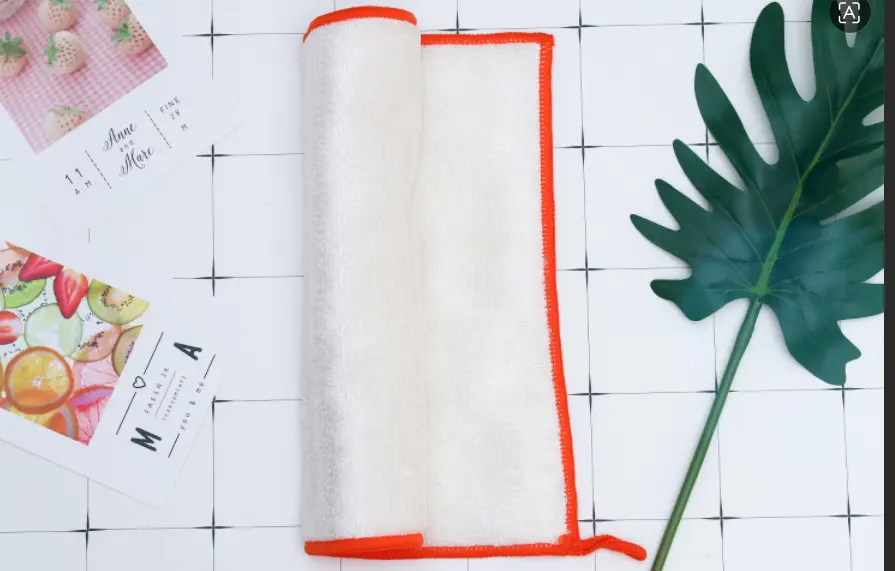
The science of cleaning materials for houses and businesses has advanced significantly thanks to Bamboo Kitchen Dish Rags. These professional-grade cloths are made from bamboo cellulose fibers that have been grown again. They are better at breaking up grease and quickly removing water. Another problem that has been around for a long time is that bacteria can hold smells. People who work in procurement are paying more attention to sustainability and performance. Bamboo fiber dish towels stand out as a biodegradable option that stops microplastics from being shed, meets health code requirements, and supports companies' environmental commitments without sacrificing functionality or durability.
Understanding Natural Bamboo Fiber Dish Towels
A fast-growing material, bamboo fiber dish towels are wonderful for cleaning. The careful extraction of cellulose fibers from raw bamboo preserves the plant's antibacterial characteristics. Bamboo grows swiftly without chemicals or fertilizers. It takes three to five years to mature, but cotton takes years since it grows annually. Bamboo is long-lasting and may be cultivated commercially.
Composition and Manufacturing Excellence
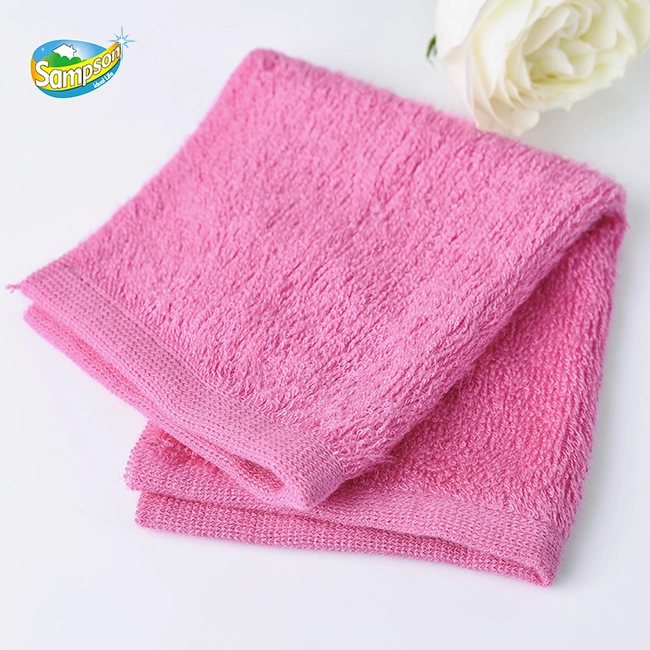
The closed-loop method of turning bamboo pulp into viscose reuses chemicals and is environmentally friendly. Bamboo fiber is used to make garments. Our bamboo dish towels are 23 cm long and 18 cm broad. They weigh 600 GSM—a lot. Business-grade thickness and weight. This kitchen towel will last longer and absorb more moisture than others because of its high GSM.
Bamboo is microporous, thus its pores capture water, oil, and particulates. Bamboo clothes may absorb three to four times more water than cotton and retain their form. This rate of absorption affects how well busy kitchens perform when purchasing teams look at fabric specifications.
Natural Antibacterial Protection
Bamboo contains "bamboo kun," a natural antibacterial substance that prevents germ growth. Bamboo textiles retain their antimicrobial properties after frequent washing. Different from chemical-treated textiles, which degrade over time. Bamboo fibers in the lab fight food bacteria, including E. coli and Staphylococcus aureus, reducing contamination of food and surfaces during cleaning and cooking.
Business kitchen workers struggle with damp cleaning cloths that stink. Antibiotic properties solve this. Classic cotton rags smell like "sour rag" after a few hours, requiring more frequent washing and costing more. Bamboo fibers don't develop bugs, so they stay longer between washes and keep things clean throughout lengthy work shifts.
Biodegradability and Environmental Credentials
When unused, fake microfibre cloths emit plastic fibers into water systems. 100% bamboo fiber dish cloths decompose naturally when not in use. Its natural breakdown meets consumer and company sustainability objectives. Buy eco-friendly brands to know that bamboo materials are actual plastic alternatives that help the circular economy.
Bamboo garments are safe and don't include heavy metals, chemicals, or colors that affect your health or the environment, according to Oeko-Tex Standard 100. Our production satisfies ISO quality and BSCI social responsibility norms. This keeps the supply chain honest and ensures our products comply with all overseas markets.
Bamboo Kitchen Dish Rags vs Traditional Kitchen Cloths: A Comprehensive Comparison
If you want to pick the best cleaning cloth, you need to know how the different kinds of materials work. Purchasing decisions affect not only the costs that are paid up front, but also the costs over the life of the product, how well the business runs, and how well the brand is known in environmentally aware markets. Bamboo Kitchen Dish Rags offer a superior alternative to standard textiles.
Absorbency and Moisture Management
Bamboo fiber's cells make it excellent at capillary action. Liquid is pulled into the cloth rather than dispersed over surfaces. Bamboo absorbs water more quickly and efficiently than cotton, according to testing. Bamboo can hold four times its weight in water, but cotton can only hold roughly its weight. This means each task only requires a few towels, and drying and replacing wet cloths is faster.
Microfiber wipes soak up a lot of water, but their thick synthetic strands inhibit drying, which promotes bacterial growth. Bamboo breathes, so water drains more quickly. Bamboo dish rags dry in half the time of cotton garments of the same size and shape when hanging properly. Because garments are changed often at work, this capacity to dry rapidly helps obey cleaning requirements.
Durability and Tensile Strength
When bamboo linens are laundered in businesses, people worry about their durability and quality. Instead of tearing or breaking like lighter towels, these 600 GSM bamboo dish towels may be pulled on when wet. The thick fibers can scrape, remove baked-on food from cookware, and clean stainless steel without damaging it.
Cheap cotton garments are simple to obtain, but frequent high-temperature washing wears them out quickly. Linen textiles endure a long time, but don't eliminate germs like bamboo; therefore, they must be washed often. Cellulose brushes clean well but break down rapidly and may trap germs in their open structure, making them unsafe for food service.
Environmental Impact Analysis
Cleaning materials are affected by more than simply the degradation speed. It indicates how much water, chemicals, and carbon they utilize during manufacture. Bamboo needs less water than cotton, which is farmed worldwide and needs a lot. Bamboo trees don't require pesticides, reducing chemical waste and land contamination.
Oil-based polymers make microfiber. Its production utilizes fossil fuels and releases microplastics when washed. Researchers showed that a single microfiber towel may leak hundreds of thousands of plastic particles into wastewater treatment facilities. These fragments collect in aquatic environments. Bamboo garments reduce plastic waste and exceed corporate performance criteria, according to ESG-aware companies.
Best Practices for Using and Maintaining Bamboo Kitchen Dish Rags
If you want your Bamboo Kitchen Dish Rags cleaning clothes to last as long as possible, you need to take good care of them. Fibers stay together, last longer, and work the same way throughout their whole lifetime if you take good care of them.
Washing and Detergent Selection
Oxygen- or enzyme-based cleansers perform better on bamboo than chlorine bleach, which degrades cellulose. Washing bamboo garments in 60–70°C water cleans and strengthens the fibers. Fabric softeners block microporous channels that carry water away from fibers. This reduces fiber absorption. Thus, industrial washing facilities shouldn't utilize them.
More usage changes how frequently you wash it. Dishes must be cleaned daily in busy kitchens. They just require washing every two to three days at home. Natural germ-killing bamboo kun reduces germ growth between washes. Even if germ-killing properties work, filth and grease must be cleansed.
Drying Techniques for Longevity
Businesses may dry garments in machines to expedite shipping. Unlike high-heat tumble drying, air-drying bamboo fibers retains their form. The dryers' medium heat settings limit shrinkage to a standard 3–5% for the firm. Due to shrinkage, bamboo textiles don't change form greatly, thus each batch has the same quality.
After usage, store items properly to maintain antibacterial properties and prevent germ growth. Putting bamboo dish rags in well-ventilated areas speeds drying. Unventilated storage of damp garments creates anaerobic conditions that are hard to clean. Air should circulate smoothly around each item in commercial kitchen drying units. Space should be between them.
Realistic Lifespan Expectations
Excellent bamboo dish cloths may be cleaned 50–100 times before wearing out. Over many months, that's severe everyday usage. Thinner, less absorbent, damaged ends, or persistent odors indicate that you need a new one. To save money and maintain performance, maintenance plans should be based on usage data rather than random selection.
Tracking how frequently garments are used and thrown away might help you shop. Facilities should monitor early failures and prolonged lifespans that exceed estimates. Early failures may indicate quality difficulties with some batches. They may adjust restocking times to maximize stock value. This data-driven approach improves supply chain management.
Procurement Guide: Sourcing Natural Bamboo Fiber Dish Towels for Your Business
When planning what to buy, you need to think about how much a product or service costs in relation to how good it is, how reliable it is, and how easily it can be modified. Supply chain risks can be cut down, and the best value can be found when procurement teams know how markets work and how to rate sellers. Bamboo Kitchen Dish Rags represent a premium investment for long-term operational efficiency.
Wholesale Pricing and MOQ Considerations
Bamboo dish towels cost more than cotton ones. They operate better, are created using current techniques, and come from reliable suppliers. Buying over 1,000 units often gets you better bulk pricing. Buy 5,000 or 10,000 units to save more. Our cardboard cartons are sent in 270 pieces and weigh 6.8 kg less than when packed. Truck loading and planning are easy today.
Minimum order quantity might be 500 to 5,000 units, depending on product change. Standard items with less branding have lower MOQs. However, fully customized systems need greater volume pledges to cover tool production and setup expenses. Solutions vary in design, size, and packaging. Before making large purchases, buyers should request test samples. They may see how well the product functions in real life and its technical details.
Product Variation Selection Strategies
Goods must be built differently to satisfy diverse market niches. Hotels and restaurants need durable, fast-drying items due to their high traffic. Retailers use organic labeling and beautiful packaging to attract eco-conscious shoppers. Market data aids SKU creation and distribution.
Bamboo textiles with silver fiber blends fight germs. This makes them better for hospitals, daycares, and sensitive persons. Considering that pure bamboo fiber is usually harmless, a cost-benefit analysis should evaluate the higher pricing for the increased antifungal power.
OEM and Customization Capabilities
Private labeling allows manufacturers to differentiate their cleaning products with distinctive packaging, name embroidery, and variable sizes. OEM agreements require providers to create things in several ways, aid with design, and communicate openly throughout the product development cycle. You should evaluate someone based on how soon they can create a sample, their willingness to take on modest orders with the possibility to expand, and their experience dealing with comparable markets.
There are more ways to modify packaging than adding your logo. Include eco-friendly and use options to make it retail-ready. Bamboo point-of-sale cards promote their environmental benefits, germ-killing properties, and performance boost sales and pricing. When new businesses don't have creative personnel, full-service package designers help them launch.
Supplier Credibility Assessment
When researching providers, consider their credentials, work, quality control, and client reviews. Companies with ISO accreditation are devoted to development and structured manufacturing. The firm treats its workers properly and safely if it follows BSCI. Oeko-Tex Standard 100 certification ensures textile safety. They are screened for harmful compounds that might harm skin or food.
What can be manufactured depends on wait periods and order fulfillment. Suppliers that don't store stock and use 30-day manufacturing methods may adjust to market fluctuations while minimizing expenses. Just-in-time allows customers to alter stock at particular times of year or test a product before manufacturing a lot.
Why Bamboo Kitchen Dish Rags are a Strategic Choice for Sustainable Businesses
The company can meet many goals at once by making purchases that are made from bamboo. These goals include increasing business efficiency, involving partners, and following the rules. When Bamboo Kitchen Dish Rags are both good for the environment and useful, they become strategic tools instead of just things to buy.
Alignment with ESG and CSR Frameworks
Sustainable companies must demonstrate that their supply chains are environmentally friendly. Bamboo materials reduce plastic waste by tons, employ green resources to reduce carbon emissions, and conserve water compared to cotton. These details improve ESG reporting and demonstrate warming target progress.
Consumers choose environmentally conscious firms, according to several studies. Bamboo-based cleaning products demonstrate your concern for the environment and your employees. Companies that deal with people may sell bamboo textiles using their rising popularity. Clear eco-credentials on products help businesses stand out in stores.
Regulatory Trends and Market Evolution
Government regulations on microfibre contamination, single-use plastics, and litter are strengthening. Companies switching to organic might gain compliance aid under extended producer responsibility models. Using bamboo goods before the restrictions take effect helps businesses avoid rushing.
A market survey indicated that eco-cleaning product categories are developing steadily at greater than average rates. Market demand changes as more eco-conscious consumers purchase. This trend depicts population shifts. Early adopters gain market share and create strong brand-environmental linkages that are hard to imitate.
Innovation and Product Development
More research into bamboo fiber technologies should improve their performance and utility. As fiber processing improves, customized things may be made to fulfill demands. For example, ultra-absorbent cloths polish vehicles and lint-free sheets clean precision instruments. Creative buyers can help you access new technology and succeed in shifting industries.
Bamboo materials aren't simply for wiping. You may produce dusting cloths, mop heads, and surface wipes from them. Buying everything from one supplier simplifies, saves money, and provides you with greater negotiation power due to the quantity. Our firm manufactures several household cleaning items and may help you organize containers. This lets you acquire all your company's requirements in one spot.
Conclusion
For procurement workers who have to deal with sustainability problems, natural bamboo fiber dish towels are a great way to show they care about the world and do a great job. Its high absorbency, natural antibacterial protection, quick drying time, and ability to break down naturally all work together to solve important cleaning problems in both businesses and homes. We make 23-by-18-cm 600 GSM Bamboo Kitchen Dish Rags that work as well as professional-grade rags should and also meet ESG goals for companies and customer demand for plastic-free options. Companies that buy bamboo linens will be able to compete in markets that are changing because more people care about the environment, and the government wants to use sustainable materials.
FAQ
Does bamboo fiber maintain antibacterial properties after multiple washes?
To keep the bamboo kun bio-agent that kills germs stable, you only need to follow the right washing steps more than 50 times. This natural safety is maintained by not using chlorine bleach and instead using oxygen-based cleaners. The product will stay free of smells and germs for as long as it can be used in your Bamboo Kitchen Dish Rags cycle.
How do lifecycle costs compare between bamboo and cotton dish towels?
At first, bamboo fabrics cost more per unit, but after a year, they generally cost the same or less than other fabrics because they last longer and need to be changed less often. Because they are more absorbent, cleaners need fewer cloths for each job. This saves even more money because workers are more effective.
What bulk purchasing options and customization are available?
It's possible to buy as few as 500 units of stock things, and standard boxes can hold up to 270 pieces. You need to buy at least 1,000 to 5,000 units, depending on how hard the change is, for OEM customizations like making the product fit your needs and adding your own brand. You can order small amounts to test how well it works before deciding to buy a lot of it.
Partner with Sampson for Premium Bamboo Kitchen Dish Rags
Sampson delivers over a decade of specialized manufacturing excellence in natural bamboo fiber textiles designed for demanding commercial applications. Our factories are certified by ISO and BSCI and follow strict quality rules. Also, their 30-day manufacturing processes are flexible, so they can meet changing customer wants without having to buy extra stock. We have been selling Bamboo Kitchen Dish Rags for a long time and can fully customize the product to meet your needs. You can add your own brand or meet regional legal requirements with custom specs.
Because we know a lot about transportation, we can send DDP packages to any place using the fastest sea or air freight paths. This promises correct arrival times that help with planning the right amount of goods. With technical support, teaching on how to use the product, and service after the sale, they do more than just supply us with goods; they become a full partner in our production. Get in touch with our buying experts at sale81@sampson-group.com to talk about buying in bulk, finding ways to customize, and getting access to specific technical specs that will help you use cleaning products that are better for the environment.
References
1. Chen, H. & Wang, J. (2021). Antimicrobial Properties of Bamboo Fiber Textiles: A Comprehensive Review. Journal of Natural Fibers, 18(6), 892-905.
2. Environmental Textile Association. (2022). Sustainability Assessment of Natural Fiber Production Systems. Oeko-Tex Research Report Series, Volume 14.
3. Thompson, R.L. & Kumar, S. (2020). Microfiber Pollution from Synthetic Textiles: Environmental Impact and Mitigation Strategies. Marine Pollution Bulletin, 156, 112-128.
4. United States Department of Agriculture. (2023). Bamboo Cultivation and Sustainable Forestry Practices. Agricultural Research Service Technical Bulletin, Publication No. 1847.
5. Wilson, M.A. (2022). Comparative Performance Analysis of Commercial Kitchen Cleaning Textiles. Facilities Management Journal, 40(3), 45-62.
6. Zhang, L., Huang, Y., & Li, Q. (2023). Lifecycle Assessment of Bamboo Viscose Production: Environmental Benefits and Industrial Challenges. Sustainable Materials and Technologies, 35, 201-218.

Send Inquiry
.webp "Horse Hair Broom(60CM)")
Related Industry Knowledge
- Best bamboo lint removers for pet hair
- 10 Unexpected Ways to Use a Dust Lint Roller Around the House
- Long Handle Handheld Bamboo Rake for Garden Cleanup
- Effective Care Strategies for Your Baking Cutting Board Brush
- Where to buy baking cutting board brush online?
- Baking cutting board brush vs pot and pan brush
- Bamboo Handle lint roller for Effortless Fabric Care
- Are Natural Bamboo Fiber Dish Towel Really Good? Breaking Down Their Benefits
- Bamboo Handle Lint Roller for Clothes, Sofa & Pet Fur
_1778569203518.webp)