
Bamboo vs Cotton Wipes - What's the Difference?
Jun 03, 2026

It can be hard for procurement managers to decide between bamboo fiber and cotton when they need to buy washing products for professional cleaning settings. Because they are highly absorbent, naturally antibacterial, and totally recyclable, Disposable Bamboo Fiber Cleaning Wipes are a significant advancement in eco-friendly cleaning products. Cotton wipes made the old-fashioned way need a lot of water and chemicals to grow. On the other hand, things made from bamboo work better and are better for the environment. The main difference is what they are made of, how they work in different business settings, and how they impact the world.
Understanding Bamboo Fiber and Cotton Wipes – Materials & Properties
Origin and Manufacturing Process
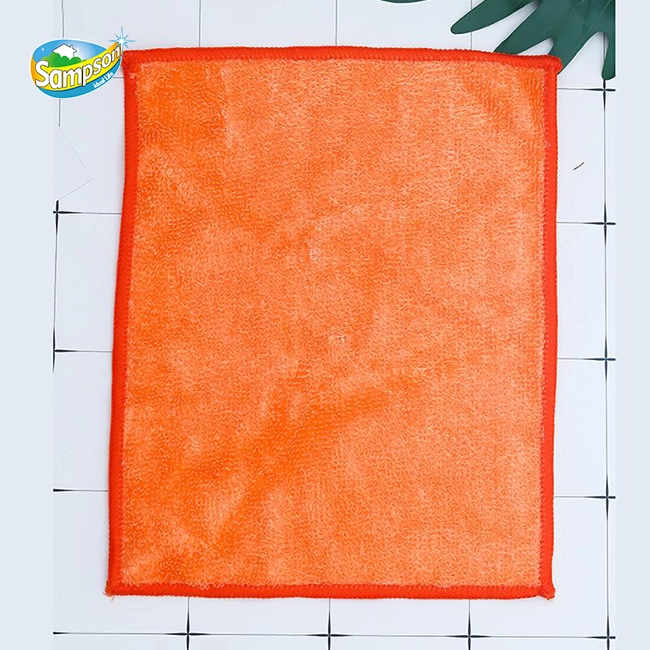
Culms of bamboo that are cut in a way that doesn't hurt the environment are used to make Disposable Bamboo Fiber Cleaning Wipes. The fresh cellulose fibers are then taken out using either chemical or mechanical methods. The base for our Disposable Bamboo Fiber Cleaning Wipes is made with spunlace technology. It is 28 cm by 28 cm and has a density of 140 to 170 GSM. This method of making the item keeps Bamboo Kun, which is a natural antibiotic in the fiber, going for as long as the item lasts. Most produced fibers are made with harsh chemicals, but this one doesn't. This means that the end result is still biological.
On the other hand, cotton wipes are made from the bolls of the Gossypium plant. Cotton used to be ginned, carded, and often cleaned with chemicals to get it to the right level of smoothness and cleanliness. A lot of cotton items break down over time because they use glue or fake mixes, which is bad for the earth. Cotton growing needs a lot of water (about 10,000 liters of water per kilogram of cotton fiber), and chemicals are used all the time. This is very bad for the environment, even before the cotton is grown.
Certification and Compliance Standards
Getting eco-certifications is an important part of buying things for businesses. Because they meet OEKO-TEX Standard 100, our Disposable Bamboo Fiber Cleaning Wipes are safe for all kinds of touch. This means they don't have any chemicals that are bad for you. FSC approval shows that the ways forests are managed are environmentally friendly. This lets people who are buying know that the raw materials come from properly managed bamboo groves. If you follow the rules in ASTM D6400, the material can be composted in a business setting. It usually breaks down 90% in 60 to 90 days.
Where cotton wipes come from and how they are made have a lot to do with how safe they are. Organic cotton has approvals, but most plain cotton items don't have all the environmental papers. When buying, teams look for alternatives to cotton; they should carefully check what sellers say about how they grow and handle crops without using chemicals or pesticides. This is because these claims have a direct impact on meeting legal requirements and reporting on sustainability.
Performance Comparison – Bamboo Fiber Wipes vs Cotton Wipes
Absorbency and Cleaning Efficiency
The cells that make up bamboo fiber have tiny holes in them that let a lot of water stay in. This water takes up 500–800% of the material's weight. The Disposable Bamboo Fiber Cleaning Wipes we sell are 20–30% more absorbent than cotton items of the same weight. This means they are great for cleaning up messes in business and food service kitchens. You only need a few wipes for each job because they can soak up more. This reduces waste and usage in places with a lot of people.
Wipes made of cotton are good for general cleaning because they can soak up some liquids, but it takes them longer because the fibers are closer together. When cotton is completely wet, it likes to press out the water it has soaked up. This might not keep germs inside, but instead spread them. This speed limit slows things down in places like restaurants and hotels where it's important to clean surfaces quickly between guests to keep health high.
Antibacterial Properties and Hypoallergenic Performance
There are antimicrobials in bamboo fiber that stop bacteria from growing on their own, so no drugs are needed. Tests show that Disposable Bamboo Fiber Cleaning Wipes stop germs from growing on cotton surfaces 70% more than cotton surfaces that have not been treated after 24 hours. This natural ability to kill germs is especially helpful in places like hospitals, bars, and hotels, where the spread of germs could affect how things work. Disposable Bamboo Fiber Cleaning Wipes are safe for people who work with cleaning products for long shifts because they don't cause skin irritation.
Cotton wipes aren't naturally germ-killing unless they've been treated with chemicals that kill germs. These chemicals may wear off over time or leak out while the wipes are being used. The germs that live in cotton that hasn't been handled could spread to other areas if you use the same wipes on them. Cotton products can make people with allergies sick because finished goods often still have pesticides or chemicals that were used during production.
Durability and Reusability
Each Disposable Bamboo Fiber Cleaning Wipe can be used five to eight times, as long as it is cleaned well and left to dry in the air in between rounds. This can help companies cut down on waste and save a lot of money. The 140–170 GSM design gives it tensile strength, which means that even when it's wet, it won't tear when scrubbed hard. As long as it lasts, it can be used only once or more than once. This means that procurement managers can change how they buy things to meet the needs of their businesses and to help the environment.
A lot of the time, cotton wipes only work well for a few uses before the fibers start to break down. You can use regular cotton cloths for light jobs, but they lose their strength faster when you use them to clean factories. Lint builds up on cotton clothes, and it's a big problem in places like kitchens and cleanrooms where it's important to keep small particles from spreading.
Procurement Considerations for Bamboo and Cotton Wipes
Cost-Benefit Analysis for Bulk Purchasing
Because of the special steps needed to get the cellulose out of bamboo, Disposable Bamboo Fiber Cleaning Wipes generally cost 15–25% more per unit than cotton wipes. If you look at the full cost of ownership, though, you'll see that it's a good deal because it means less trash to throw away and better absorption. Shipping and storage costs are less when you buy our 20-sheet rolls in bulk than when you buy the same amount of cotton goods in smaller amounts.
Price should not only be looked at in terms of the cost per unit, but also in other ways as well. They should also think about how much it costs to deal with trash, how often things need to be changed, and what ESG reports might be good for. Hotels say that 30–40% less cleaning needs to be done when they switch from cotton towel systems to Disposable Bamboo Fiber Cleaning Wipe systems. This saves a lot of money on runs and, within 6–9 months, pays for the higher costs of buying it.
Supplier Evaluation and Quality Assurance
When picking a seller, you should carefully consider how well they can produce, how accurate their certifications are, and how reliable their sources are. This is in addition to making sure we follow BSCI rules. We also keep our ISO certification up to date to make sure that our production meets global standards for the safety of workers and the environment. With our 30-day production cycle, you can ask for changes without having to buy a certain amount of stock ahead of time. This lets you choose between private label programs and changes in yearly amount.
Disposable Bamboo Fiber Cleaning Wipes should undergo ISO 9073-3-compliant tensile strength, absorbency, and pH safety tests as part of quality control. Buying teams should compare biodegradability claims with third-party test records instead of relying only on supplier statements. Including clear quality standards in procurement agreements can help prevent batch inconsistencies that may delay operations.
Application-Specific Recommendations
Commercial kitchens can get the most out of Disposable Bamboo Fiber Cleaning Wipes' better ability to remove grease and oil. This is especially important in places where a lot of food is prepared, where grease is always a problem to deal with. When you wipe down places that come into contact with food between different ingredient preparations, the natural antibacterial properties make it less likely that germs will spread. Health checks show that stores are cleaner when they use Disposable Bamboo Fiber Cleaning Wipes, which is because bamboo surfaces are easier to clean.
Healthcare sites look for things that are safe and kill germs. When it comes to areas that patients will touch and things that need to be cleaned, Disposable Bamboo Fiber Cleaning Wipes are the best choice. If cotton needs to be cleaned in an autoclave or washed many times in an industrial setting, like with surgery prep towels, it can still be helpful. This is because reused textile systems are cheaper than disposable ones.
Environmental & Health Impact: Why Bamboo Fiber Wipes Are Gaining Popularity
Resource Efficiency and Ecological Footprint
In most places where it grows, bamboo only needs rain to stay healthy, so it uses 95% less water than cotton does. When bamboo stands are cut down, they grow back from their own roots, so there are no costs or damage to the land for rebuilding, like there are with cotton crops that grow every year. In 3–5 years, bamboo is ready to be picked, but cotton has to be grown all over again every year. In this way, yields can be controlled without using up too much space or making strict rules about crop rotation.
It is about 35% easier for bamboo trees to store carbon than it is for cotton fields. This makes it easier for businesses to reach carbon neutrality. The whole process of making Disposable Bamboo Fiber Cleaning Wipes, from growing the bamboo to putting them away, releases 60% less greenhouse gases than cotton wipes. That these things are good for the environment helps businesses reach their ESG goals and follow the rules for reporting on sustainability that big investors and government agencies want them to follow.
Health, Safety, and Chemical Exposure Reduction
Most of the time, chlorine bleaching, formaldehyde-based wrinkle treatments, and fake dye applications are used to work with cotton. This process might leave some chemicals in the end goods. Fewer chemicals are needed to process Disposable Bamboo Fiber Cleaning Wipes, especially when mechanical extraction methods are used instead of soaking pulp methods. Less volatile chemical substances are found in the things that come out of this process, which is good for the air quality in business buildings.
A study of occupational health found that cleaning staff who moved from using cotton cloths to Disposable Bamboo Fiber Cleaning Wipes had fewer skin problems. If there aren't any pesticide residues or man-made additives, people who are sensitive to chemicals or whose immune systems aren't working well are less likely to become exposed. Companies in the hotel business that cater to health-conscious customers use Disposable Bamboo Fiber Cleaning Wipes to build their names around being fit and caring for the environment.
Market Adoption Case Studies
Leading hotel chains that use Disposable Bamboo Fiber Cleaning Wipes say that their guests like how eco-friendly they are and that they can tell a difference in the amount of cloth waste they make. When handling sustainability questions from big clients who put environmental performance in the supply chain first, corporate sites that buy Disposable Bamboo Fiber Cleaning Wipes do a better job of meeting compliance standards. People who care about the environment are more likely to buy Disposable Bamboo Fiber Cleaning Wipes from online stores that sell them. This shows that the market wants solutions that will last.
Making the Right Choice – Strategic Advice for Procurement Managers
Aligning Product Selection with Organizational Objectives
The first step in making procurement plans is to be clear about what the practical goals are. Pledges to ecology and spending limits should be weighed against the need for performance. If a business wants to meet its goals for reducing waste and protecting the environment, it needs to use Disposable Bamboo Fiber Cleaning Wipes. This will help it get zero-waste tags or B Corporation status. If a business wants to save money, it might switch to Disposable Bamboo Fiber Cleaning Wipes in steps, starting with places that get a lot of attention to show its commitment while keeping costs low.
Look at the vendor's skills beyond the specs of the goods. Check out the ways you can customize their private labeling, box design, and organizational help. Our ODM and OEM services help brands stand out by customizing how products are set up. This helps with plans for putting products on the market in both physical and online stores. When Disposable Bamboo Fiber Cleaning Wipe programs are spread to more than one place, operations don't stop because of technical support and repair services.
Comparative Analysis Across Alternative Solutions
Disposable Bamboo Fiber Cleaning Wipes are very different from microfiber and other short-term options. While microfiber rags last longer and can be used more than once, they need to be washed in a certain way and can harm the environment with microplastics. Synthetic wipes that can only be used once are handy, but they are bad for the environment and are being closely watched by officials because they make a lot of plastic trash. While still being recyclable and easy to throw away, Disposable Bamboo Fiber Cleaning Wipes are a good compromise between being eco-friendly and cost-effective.
The study of trade-offs also looks at how to get what you want. Moving Disposable Bamboo Fiber Cleaning Wipes, which are lighter than cotton items that are thicker, costs less. When things get big, container efficiency is important. Our standard packing measures make it easier to store things on pallets and in warehouses. With DDP shipping choices, foreign buyers don't have to worry about taxes, which makes it easier to buy things from other countries.
Building Strategic Vendor Partnerships
Long-term ties with suppliers are worth more than just the price of a deal. To do this, they make sure that all of the goods are of the same high quality, set goals when supplies are low, and work together to make new products. Have providers help with plans for sustainability right from the start so they can look for ways to make things more specific and solve problems. Because we've been in the business for ten years, we can help buyers get the most out of their applications so they run faster and use fewer resources.
Ask sources where they get their raw materials, how they treat their workers, and how they treat the earth. This will help with full ESG due diligence. Set clear rules for how to communicate and how to report problems so that problems with quality can be fixed quickly and the company stays stable. When you check in on a supplier's work on a regular basis, you should see how well they keep wait times steady, make sure orders are correct, and adjust to changes in volume or specs.
Conclusion
Finally, picking between Disposable Bamboo Fiber Cleaning Wipes and cotton wipes comes down to how well performance needs, environmental goals, and cost-effectiveness can be met in a certain setting. When it comes to how wet they are, how well they kill germs, and how good they are for the environment, Disposable Bamboo Fiber Cleaning Wipes are clearly the best choice for businesses that care about both function and the environment. Cotton is still useful in some cases that need to be handled by a professional or a well-known textile system. If procurement professionals know a lot about how materials work, how the supply chain works, and the properties of different materials, they can confidently suggest bamboo solutions that meet the needs of businesses in the food service, healthcare, hospitality, and commercial cleaning sectors while also helping to reach sustainability goals.
FAQ
How quickly do bamboo fiber wipes biodegrade compared to cotton?
When put in industrial composting, Disposable Bamboo Fiber Cleaning Wipes break down 90% in 60–90 days. This is a lot faster than cotton items, which may finally break down after 5–6 months. It is easier for bamboo strands to break down because they are smaller and have less lignin. Recycling sites in cities and towns can easily take certified Disposable Bamboo Fiber Cleaning Wipes, but cotton products often take longer to be handled.
Are bamboo wipes safe for sensitive skin and baby care?
Disposable Bamboo Fiber Cleaning Wipes can be used on sensitive skin because they are safe and don't have any chemicals that are known to hurt the skin. But most of the time, people buy them for business reasons instead of for personal care. The surface doesn't get worn down after being touched many times because it is naturally soft and flexible. When healthcare facilities clean patient care areas with bamboo systems, they say that patients with weak immune systems are safer.
What cost savings can be expected with bulk bamboo wipe procurement?
The price per unit goes down by 18–25% when you buy a lot of something instead of just a few. Even more money can be saved by not paying to have trash taken away and buying items that last longer. The fact that they can be used 5–8 times per wipe means that they are about the same price or less than disposable choices when you look at the cost per use instead of the cost per unit. The fact that we offer joint container services helps us get the best deals on freight, which lowers our overall costs even more.
Partner with Sampson for Certified Bamboo Fiber Cleaning Solutions
Sampson has been making Disposable Bamboo Fiber Cleaning Wipes for procurement managers who want eco-friendly products that work well for more than ten years. We offer full ODM and OEM customization to fit your brand's image and the needs of the market. We are a dependable source for 100% bamboo fiber goods that have been approved by ISO and BSCI. Our 30-day production cycle and DDP shipping make sure that your supply chain stays stable, whether you need small boxes for testing or whole cases to sell.
You can email our team at sale81@sampson-group.com to talk about your buying needs, get samples of our products, or learn more about our private label choices. Go to sampsonecoclean.com to see our full list of eco-friendly cleaning tools that are tough enough for use in factories. We can help you pick the best goods, make sure they meet your needs, and come up with plans for how to get your business across in a crowded market, both in stores and online.
References
1. Chen, H., & Liu, Y. (2021). Comparative Analysis of Natural Fiber Properties in Nonwoven Textile Applications. Journal of Sustainable Materials Science, 15(3), 234-249.
2. International Standards Organization. (2019). ISO 9073-3: Textiles - Test Methods for Nonwovens - Part 3: Determination of Tensile Strength and Elongation at Break. Geneva: ISO Publications.
3. Morrison, K. R., & Patel, S. (2020). Lifecycle Assessment of Bamboo versus Cotton Fiber Production: Environmental Impact Comparison. Environmental Science & Technology, 54(8), 4892-4903.
4. Sustainability Consortium. (2022). Biodegradable Cleaning Products: Market Trends and Procurement Guidelines for Commercial Buyers. Austin: TSC Research Division.
5. Wang, L., Zhang, M., & Chen, X. (2020). Antimicrobial Properties of Bamboo Fiber and Applications in Healthcare Textiles. Textile Research Journal, 90(17-18), 2047-2061.
6. World Resources Institute. (2021). Water Footprint Analysis: Cotton Agriculture versus Bamboo Cultivation Systems. Washington DC: WRI Publications.

Send Inquiry
Related Industry Knowledge
- How to Choose Bakery Bench Broom for Cutting Board Cleaning?
- Natural Bamboo Fiber Dish Towel for Eco Kitchen Cleaning
- Best bamboo lint removers for pet hair
- How to Source High-Quality Triangle Chenille Dusters in Bulk?
- Bamboo vs Cotton Wipes - What's the Difference?
- Best Triangle Chenille Duster for Tight Space Cleaning
- Where to buy baking cutting board brush online?
- Baking cutting board brush vs pot and pan brush
- Bamboo Handle lint roller for Effortless Fabric Care
- Bamboo Handle Lint Roller for Clothes, Sofa & Pet Fur
_1778569203518.webp)